



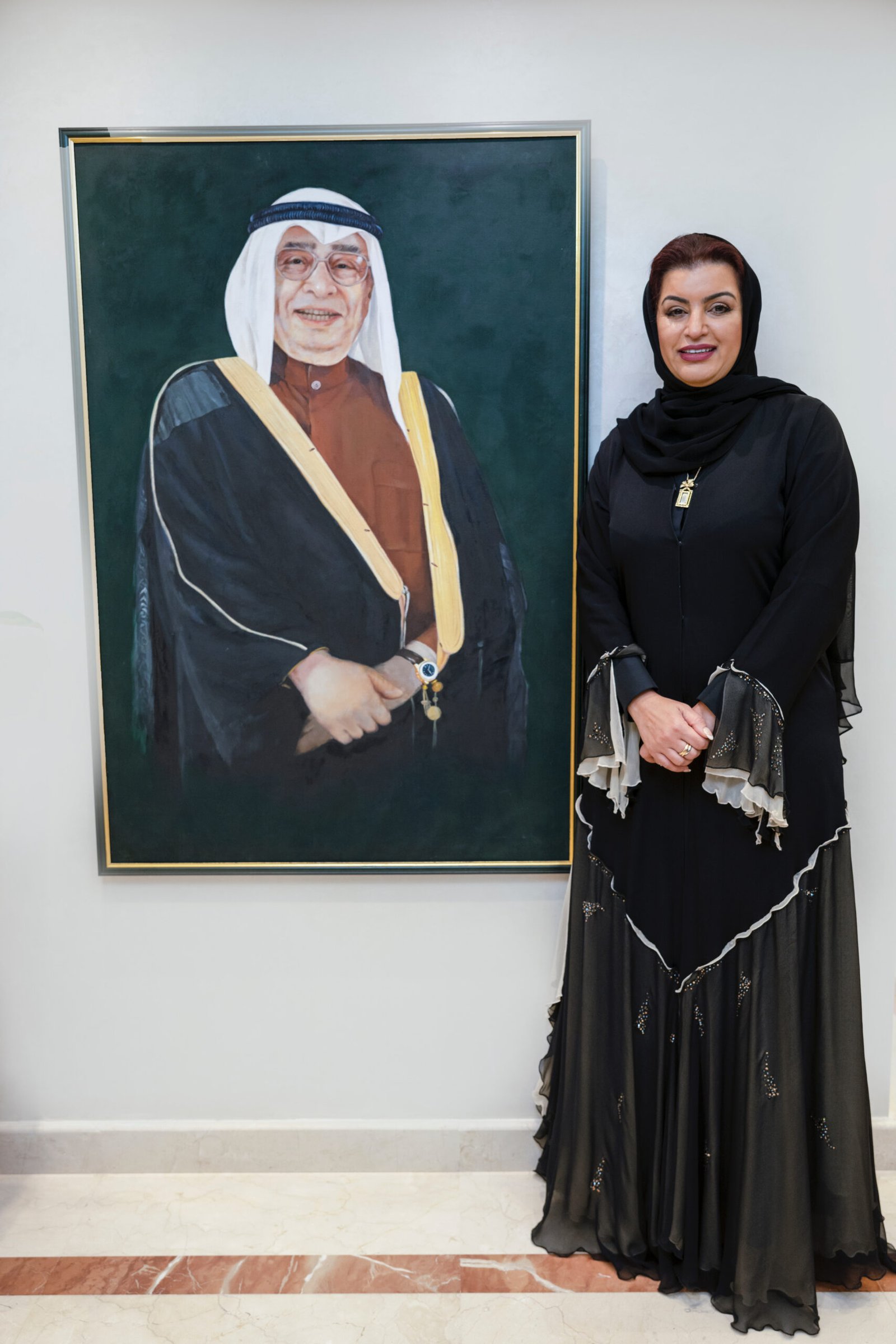
Long before she became one of Qatar’s most recognized business leaders, Aisha Hussain Al Fardan was learning the discipline of finance from the ground up. A 1993 English literature graduate of Qatar University, she didn’t step straight into the family empire, she chose to earn her stripes at Commercial Bank, where she spent nine formative years rising through the ranks to become Ladies Branch Manager. That decade behind the counter, managing client relationships and mastering the mechanics of retail banking, would later prove to be the foundation for everything she built afterward.
A Banker’s Discipline Meets a Family Legacy
In 2003, Al Fardan made the pivot that would define her career: she joined Alfardan Group, the sprawling business empire chaired by her father, Hussain Ibrahim Alfardan. Rather than simply inheriting a title, she brought with her the rigor of a banker , an eye for risk, relationships, and long-term value creation. Today, she counts the ongoing challenge of “building the legacy her family worked so hard to create” among the most rewarding parts of her role, a sentiment that reflects both humility and ambition.
Championing Women Beyond the Balance Sheet
Her banking background didn’t stay confined to boardrooms. As Vice Chairwoman of the Qatari Businesswomen Association (QBWA), Al Fardan has translated her financial expertise into a platform for economic empowerment. She spearheaded the Qatar Business Women Award, held in 2009, 2011 and 2013, recognizing women whose leadership and entrepreneurship shaped the local economy. She also helped drive the Qatar International Businesswomen Forum, an event that ran from 2010 to 2014 and grew into one of the region’s most respected gatherings for female business leaders, praised for the caliber of its speakers and the depth of its economic dialogue.
A Voice on the Global Stage
Al Fardan’s influence has reached well beyond Qatar’s borders. She represented the country as a speaker at UNCTAD XII’s Women in Development session, where she made the economic case for gender equality, arguing that closing gender gaps isn’t just a social imperative but a driver of macroeconomic stability and growth. It’s a thesis rooted in her own trajectory: a woman who understood finance from the teller window up, and used that understanding to open doors for others.
by M.Bousselmi