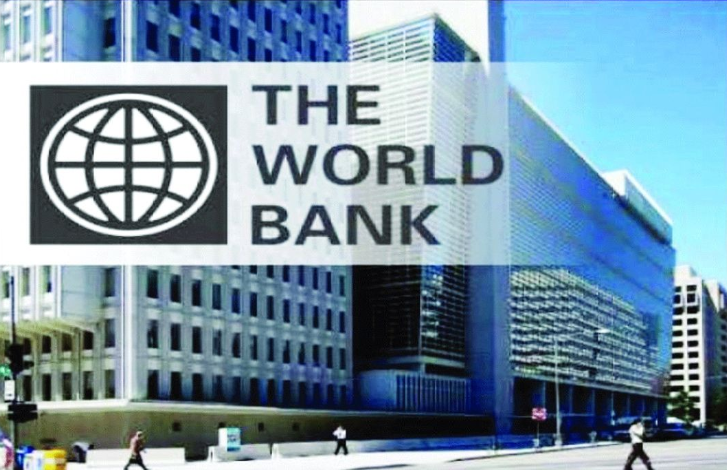
The World Bank’s board of directors starkly exemplifies the ongoing issue of gender inequality, with only five women among its 25 members. This disparity is not merely a statistical oversight; it underscores a systemic problem entrenched within financial institutions.
Research consistently demonstrates that diversity enhances decision-making processes, yet The World Bank continues to fall short in achieving gender representation at its highest levels. By sidelining women from key leadership roles, institutions dedicated to financial and social inclusion overlook vital perspectives that are crucial for fostering global economic development.
As a leading global institution, The World Bank has the opportunity to lead by example in promoting inclusion, rather than perpetuating outdated norms. Recently, during World Bank meetings, a gender working group took a significant step by launching a declaration aimed at increasing female representation on boards. The initiative sets an ambitious goal of achieving 40% to 50% female executive directors.
The pressing question remains: Are global development institutions genuinely committed to advancing true gender parity? The time for meaningful action is now.